

The Terra Campus in Lugo, promoted by the University of Santiago de Compostela (USC), was established as a result of an agreement between the USC and the General Secretariat for Universities, part of the Regional Ministry of Education, Science, Universities and Vocational Training of the Xunta de Galicia. Its aim is to transform the Lugo campus into a scientific and social benchmark in areas of knowledge related to the economic, social and environmental sustainability of land use.
Benvid@s ao Campus Terra de Lugo
PICTERRA
Actualidade
A Cátedra UNESCO Reservas de Biosfera Atlánticas centrarase na biodiversidade, infraestrutura verde e desenvolvemento rural
Esta liderada polo IBADER e “nace coma un proxecto humilde que foi medrando ata acadar a relevancia que hoxe celebramos”, destacou o reitor da USC, Antonio López Díaz, no seu acto de presentación
Read more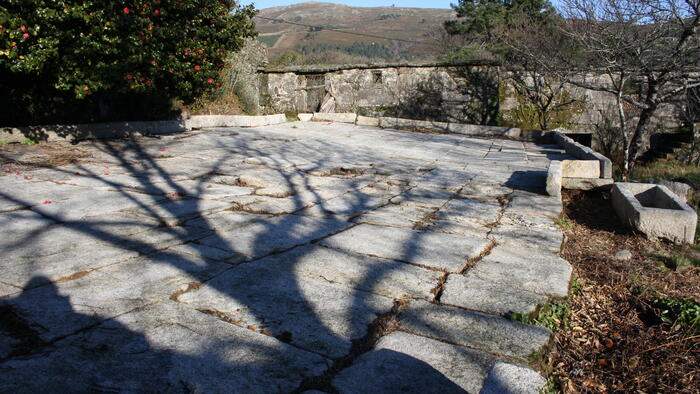
Un estudo de ADE e a EPSE identifica e analiza no noroeste peninsular catorce lagares de cera de prensa de viga
A investigación da USC profunda neste patrimonio singular do que apenas existen exemplos conservados noutras partes de Europa
Read more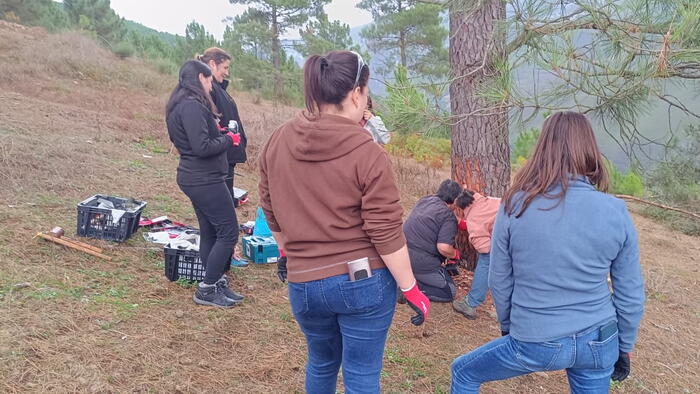
CARES evidencia que a xestión forestal conxunta crea emprego, prevén incendios e revitaliza o medio rural
O proxecto no que participa a USC pecha con intervencións en máis de 130 hectáreas, 30.000 quilos de produtos forestais recolleitos e un impacto positivo en Galicia, Castela e León, e Asturias
Read moreÚltimas entradas no Blog
Daniel Carlos Machado: «Sewage sludge can improve soil fertility without harming the environment if applied correctly»
With a PhD in Soil Science from Brazil, his stay at Campus Terra, as part of the UXAFORES Group, focuses on researching a practice with great potential to improve fertility and recycle nutrients
Read more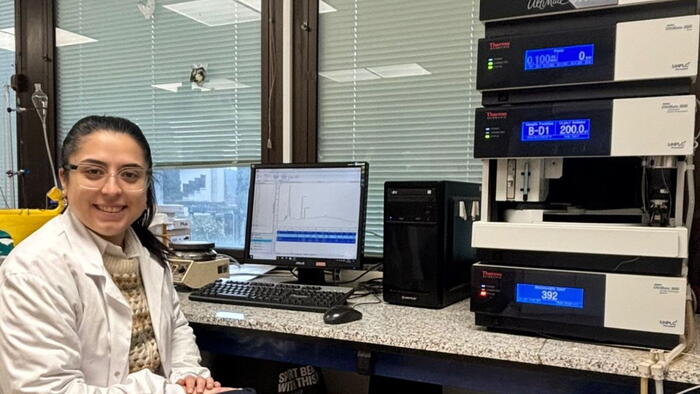
Raquel Cela Dablanca: «Understanding how antibiotics interact with soil is key to protecting environmental health»
The Uxafores researcher has just obtained the highest qualification, a doctoral thesis focusing on these emerging pollutants
Read more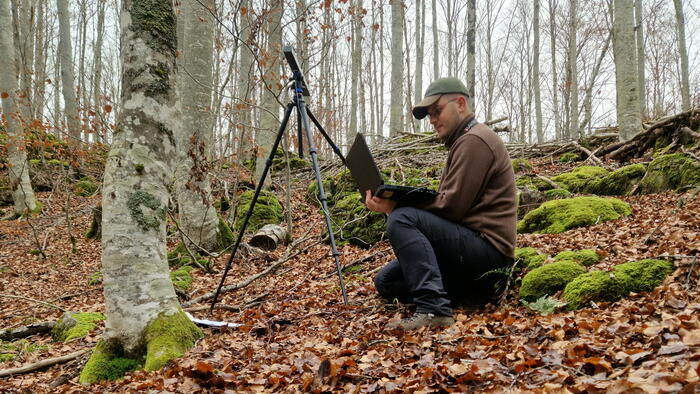
Yago Lestido Cardama: «Forest sustainability cannot be improvised: we need to quantify how we manage it»
In this conversation, the PROePLA Group researcher analyzes how to advance sustainable forest management by creating tools and methodologies in this field
Read more